

Learning level: Introductory
Number and type of credits: 1 CE*/CPD*
Webinar description:
What we know, and still don’t know, about high-ability (gifted) students remains a subject of ongoing research and discussion. That includes the surrounding misconceptions, which directly impact identification and service delivery, with beliefs like:
- All gifted learners fit a narrow stereotype with social, emotional or behavioral challenges
- Gifted students don’t need specialized programs.
Join the co-author of the Gifted Rating Scales™ Second Edition (GRS™ 2), Steven Pfeiffer, Ph.D., as he unpacks the often misunderstood gifted student, in this free webinar, created specifically for gifted and talented coordinators, school psychologists, and educators.
Learning objectives:
- Identify four widely held myths and misconceptions about gifted learners.
- State why many gifted learners benefit from special programs or services.
- Describe common challenges many gifted students may exhibit in the classroom.
Who is this webinar for?
This webinar is designed for education professionals who work with gifted and talented students and who are involved in identification, program planning, or service delivery. The webinar is also well‑suited for professionals interested in evidence‑based perspectives on gifted education.
Presenter:
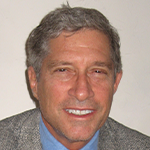
Steven Pfeiffer, Ph.D., is the lead author of the Gifted Rating Scales™ Second Edition (GRS™ 2).
Pfeiffer, a popular speaker, academic scholar, and internationally recognized authority on gifted identification and the social-emotional needs and character development of high-ability children and youth, received his doctoral training at the University of North Carolina-Chapel Hill. Following an internship in clinical psychology, he completed postdoctoral training in family therapy at the Philadelphia Child & Family Therapy Center, University of Pennsylvania School of Medicine. Pfeiffer served as a professor at Duke University, where he was appointed executive director of the Duke Talent Identification Program (Duke TIP), the university’s gifted program. He also served as a Clinical Psychologist in the U.S. Navy Medical Service Corps, psychologist in the Department of Pediatrics at Ochsner Medical Center, and the executive director of Devereux’s Institute of Clinical Training & Research. He has authored more than 200 articles, book chapters and books. His most recent book, written for parents, is titled Parenting from the Heart: Raising Resilient and Successful Smart Kids (2024).